
What Are the Benefits of Gasketed Filter Plates?
Industrial filtration requires efficiency, reliability, safety, and consistent performance. When a filtration process involves chemicals, wastewater, pigments, pharmaceuticals, food products, or other sensitive materials, even a small amount of leakage can create operational, environmental, and maintenance problems. This is where gasketed filter plates can provide an important advantage.
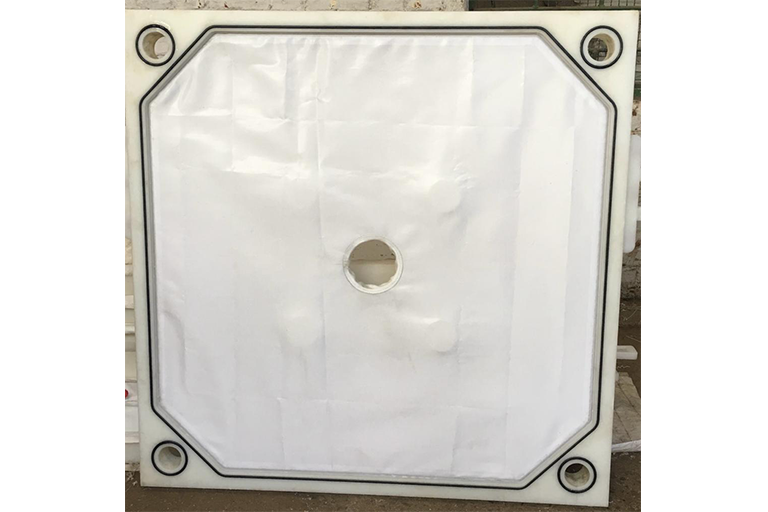
Gasketed filter plates, sometimes referred to as CGR (Caulked, Gasketed and Recessed) filter plates or zero-leak filter plates, are designed to provide a secure seal between plates during the filtration cycle. Unlike conventional non-gasketed plate arrangements, these plates incorporate sealing gaskets or O-rings that help minimize leakage while the filter press operates under pressure.
Panama Engineering's gasketed filter plates use filter cloth fitted into a groove and an O-ring sealing arrangement around the plate's sealing edge. The company offers gasket materials such as EPDM and Neoprene, with configurations designed for different industrial requirements.
So, what are the benefits of gasketed filter plates? Their main advantages include improved sealing, reduced leakage, cleaner operation, better safety, chemical resistance, easier maintenance, reliable filtration and suitability for demanding industrial applications.
Let's explore these benefits in detail.
What Is a Gasketed Filter Plate?
A gasketed filter plate is a specially designed filter press plate that uses a gasket or O-ring around its sealing surface. When the filter press closes and applies sufficient closing force, the gaskets help create a tight seal between adjacent plates.
The filter cloth is generally secured within a groove in the plate instead of simply extending across the sealing surface. This design helps keep the cloth correctly positioned while contributing to effective sealing.
Gasketed filter plates are particularly useful when preventing slurry or filtrate leakage is a high priority. Depending on operating conditions and plate design, they may be used for wastewater treatment, chemical processing, dyes, pigments and various industrial solid-liquid separation applications.
If you are unsure whether gasketed plates are suitable for your existing or planned filtration system, you can contact our filter press experts to discuss your application requirements.
1. Excellent Leak-Resistant Performance
One of the biggest benefits of gasketed filter plates is their ability to significantly reduce leakage.
During a filter press cycle, slurry is pumped into the chambers under pressure. With a conventional non-gasketed configuration, improper cloth positioning, plate condition or other operating factors may contribute to leakage around the plate pack.
A gasketed plate adds a dedicated sealing element between adjacent plates.
When the filter press closes correctly, the gasket is compressed and helps create a secure seal. Panama Engineering describes its Zero Leak/Gasketed/CGR configuration as using an O-ring around the sealing edge and filtrate holes to help prevent filtrate from escaping.
Reduced leakage can mean:
- Cleaner working areas
- Lower product loss
- Reduced slurry spillage
- Easier housekeeping
- Better process control
- Lower risk of contamination around the equipment
This advantage is especially important where the material being filtered is valuable, corrosive, hazardous or difficult to clean.
2. Cleaner Filter Press Operation
Industrial filtration can become messy when slurry leaks from between plates. Leakage may accumulate around the machine, floor, piping and surrounding equipment.
Gasketed filter plates help create a more contained filtration process.
A cleaner filtration area can reduce the amount of time employees spend cleaning around the filter press. It can also help keep other nearby machinery and components from unnecessary exposure to process slurry.
For facilities that operate several filtration cycles every day, small improvements in cleanliness can translate into meaningful operational benefits over time.
3. Improved Workplace Safety
Leakage is more than a housekeeping issue. Depending on the slurry, spilled liquid can create slippery surfaces or expose workers and equipment to unwanted substances.
Gasketed filter plates can help reduce these risks by keeping the filtration process better contained.
This can be particularly valuable in applications involving:
- Chemical solutions
- Industrial wastewater
- Acids or aggressive process liquids
- Dyes and pigments
- Fine suspended solids
- Process slurries
However, a gasketed plate should not be considered a substitute for proper operating procedures, PPE, machine guarding or chemical-handling practices. Correct plate selection, gasket compatibility and routine inspection remain essential.
4. Suitable for Chemical and Corrosive Applications
Many gasketed filter plates are manufactured from polypropylene because of its useful chemical and corrosion resistance characteristics. Panama Engineering also highlights polypropylene as a material used across its filter plate range for chemical resistance, lightweight handling and ease of cleaning.
The gasket material is equally important.
Different process liquids can react differently with elastomers. Common gasket options can include:
- EPDM
- Neoprene
- Nitrile
- Viton or other compatible elastomers
The correct gasket should therefore be selected according to factors such as chemical composition, operating temperature, filtration pressure and cleaning chemicals.
If your plant processes aggressive chemicals or challenging slurry, discuss your filtration requirements with Panama Engineering before selecting the plate and gasket material.
5. Better Containment of Valuable Product
Not every filtration process is primarily concerned with waste removal. In some applications, either the filtrate or the solids are valuable products.
Any leakage may therefore represent a direct product loss.
Gasketed filter plates can help keep more of the process material inside the intended filtration system. Better containment can be beneficial for manufacturers dealing with pigments, specialty chemicals, minerals, food ingredients and other valuable materials.
Reducing avoidable losses can contribute to improved process economics, especially in high-volume operations or when filtering expensive materials.
6. Reliable Filtration Performance
Consistent filtration depends on several factors, including feed pressure, filter cloth selection, slurry characteristics, plate condition and proper sealing of the plate pack.
Gasketed plates help establish a more controlled sealing environment.
When the plates, cloths and gaskets are correctly installed and maintained, the system can provide reliable filtration cycle after cycle.
Stable operating conditions can help manufacturers achieve more predictable results and simplify process planning.
The exact filtration performance will still depend on the characteristics of the slurry and the complete filter press configuration.
7. Easy Filter Cloth Installation and Replacement
Filter cloth is one of the most important components of any filter press because it provides the actual filtration medium.
In a gasketed or CGR plate, the cloth is generally caulked or secured into a specially designed groove.
Panama Engineering notes that this groove arrangement facilitates cloth installation while helping reduce maintenance requirements.
Properly installed cloth also helps maintain consistent sealing around the plate.
When cloth replacement is necessary, the groove-based arrangement allows maintenance personnel to remove the existing cloth and fit an appropriate replacement without changing the complete plate.
8. Reduced Maintenance Related to Leakage
Frequent leakage can create additional maintenance requirements.
Operators may have to stop the filter press, clean the plate surfaces, reposition cloths, inspect sealing surfaces and restart the process.
By providing a dedicated sealing mechanism, gasketed filter plates can help reduce leakage-related interruptions when they are properly installed and maintained.
This does not mean gasketed plates are maintenance-free. The gaskets should be routinely inspected for:
- Wear
- Cracking
- Chemical degradation
- Flattening
- Loss of elasticity
- Incorrect positioning
Replacing worn gaskets at the appropriate time helps preserve sealing performance.
9. Suitable for Higher-Pressure Filtration Requirements
Industrial filter presses often operate under substantial feed pressure to achieve effective solid-liquid separation.
A secure plate pack is therefore essential.
Panama Engineering states that its gasketed filter plate configurations can be used across different pressure requirements, with its gasketed product page noting an 8–16 bar range and its CGR page describing customization up to 15 bar. The appropriate rating depends on the specific plate and system configuration.
Operators should always follow the rated pressure of the actual filter press, plates and associated components rather than assuming every gasketed plate has the same maximum operating pressure.
10. Flexible Feed Configurations
Every filtration system is not designed in exactly the same way.
Depending on the filter press and process, slurry may need to enter the plate pack through different positions.
Panama Engineering offers gasketed plate configurations with options including corner, top, centre or bottom feeding.
This flexibility makes gasketed plates adaptable to different filter press designs and process requirements.
When replacing existing plates, dimensions, port locations, cake thickness, operating pressure and compatibility with the existing filter press should all be verified.
11. Helps Protect the Surrounding Equipment
Leaking slurry does not only affect the floor around a filter press. Depending on the process, repeated exposure can affect nearby pipes, structural components, electrical equipment and other machinery.
Reducing leakage helps create a more controlled operating environment.
For corrosive applications in particular, preventing unnecessary contact between process liquids and surrounding equipment can be an important part of maintaining a filtration plant.
12. Reduced Environmental Contamination Risk
Wastewater treatment and industrial processing facilities are increasingly focused on controlling liquid discharge and improving waste management.
A leaking filter press can create unnecessary secondary waste because spilled slurry must be collected, cleaned and handled.
The sealing characteristics of gasketed filter plates can help keep process liquids contained within the filtration system.
This can support cleaner plant operations and responsible material handling, although environmental compliance always depends on the complete facility design and applicable regulations.
13. Wide Range of Industrial Applications
Another important benefit of gasketed filter plates is their versatility.
Filter presses are used in many industries for solid-liquid separation. Panama Engineering lists applications across paper, sugar, ceramic, marble processing, textile, wastewater, starch, chemicals, pigments, dyes and steel-related industries.
Gasketed configurations can be particularly useful where leakage control is important.
Potential applications include:
Wastewater Treatment
Gasketed plates can be used in sludge dewatering systems where cleaner and more contained operation is desirable.
Chemical Processing
Their sealing characteristics make them suitable for applications involving chemical slurries, provided plate and gasket materials are compatible with the chemicals involved.
Pigments and Dyes
Leakage control can help minimize material loss and keep the surrounding production area cleaner.
Mining and Mineral Processing
Filter presses are widely used to separate water from mineral slurries and other solids.
Ceramic Processing
Solid-liquid separation can be an important part of preparing and recovering ceramic materials.
Food and Process Industries
Where suitable food-compatible materials and hygienic designs are selected, filter presses may also be used for certain food and process applications.
14. Customization for Different Process Requirements
Industrial filtration rarely has a universal solution.
Slurry concentration, particle size, viscosity, temperature, chemical characteristics and desired cake moisture can all influence filter press design.
Gasketed filter plates can be customized according to factors such as:
- Plate dimensions
- Gasket material
- Feed arrangement
- Operating pressure
- Filter cloth
- Cake thickness
- Plate material
- Filtrate discharge configuration
Panama Engineering's wider filter plate range includes multiple plate sizes and different plate styles for varied industrial applications.
For application-specific plate selection, you can request expert guidance for gasketed filter plates.
Gasketed vs. Non-Gasketed Filter Plates
The main difference between gasketed and non-gasketed filter plates is the sealing arrangement.
Non-gasketed recessed plates typically rely on the plate surfaces and filter cloth arrangement to establish the seal when the plate pack is closed. They can be suitable for many standard filtration applications.
Gasketed filter plates add an elastomeric seal around the plate sealing area. This makes them particularly attractive when leakage control and process containment are priorities.
The best choice depends on your process.
If occasional minor dripping is acceptable and the slurry is relatively harmless, a non-gasketed system may be sufficient. Where leakage must be minimized because of chemical hazards, product value, cleanliness requirements or process conditions, gasketed plates may provide a better solution.
How to Choose the Right Gasketed Filter Plate
Selecting the correct plate involves more than choosing a size.
Before purchasing gasketed filter plates, consider the following:
Slurry characteristics: Determine the solid concentration, particle characteristics and viscosity.
Chemical compatibility: Confirm that the plate, gasket and filter cloth materials are compatible with the process liquid.
Operating temperature: Temperature can affect both polypropylene plates and elastomeric seals.
Operating pressure: Select plates designed and rated for the required filtration pressure.
Filter cloth: Choose an appropriate cloth material, permeability and weave for the solids being separated.
Existing equipment: For replacement plates, confirm dimensions, port locations, plate thickness, handle arrangement and other specifications.
Maintenance requirements: Consider how frequently the filter cloth and gaskets will need inspection or replacement.
Correct plate selection can improve reliability and extend the useful service life of the filtration system.
Why Choose Panama Engineering for Gasketed Filter Plates?
Panama Engineering manufactures filter presses, filter plates and related filtration equipment for industrial applications. Its website states that the company has more than 50 years of experience in the filter press industry and supplies filtration solutions for multiple industries in India and international markets.
The company's gasketed filter plate range is designed around leak-resistant sealing, chemical-resistant plate materials and customizable configurations.
Businesses can discuss their process requirements to identify a suitable combination of plate size, sealing material, filter cloth and filtration configuration.
Frequently Asked Questions About Gasketed Filter Plates
What is the main benefit of a gasketed filter plate?
The primary benefit is improved sealing between adjacent filter plates. The gasket or O-ring helps minimize slurry and filtrate leakage during operation.
What does CGR filter plate mean?
CGR commonly stands for Caulked, Gasketed and Recessed. The filter cloth is secured into a groove, while a gasket provides sealing around the plate.
Are gasketed filter plates completely maintenance-free?
No. They can simplify certain maintenance tasks and reduce leakage-related cleaning, but filter cloths, gaskets, sealing surfaces and plates still require regular inspection and maintenance.
Which gasket material should I choose?
The correct gasket depends on the chemical composition, temperature, pressure and other operating conditions. EPDM, Neoprene and other elastomers may be used depending on application requirements.
Can gasketed filter plates be used for chemical filtration?
Yes, provided the plate, gasket and filter cloth materials are compatible with the chemical being processed.
What is the difference between a gasketed and recessed filter plate?
A gasketed plate typically incorporates an elastomeric seal to improve containment. Standard recessed plates may be supplied without this additional gasket sealing system.
Are gasketed filter plates suitable for wastewater treatment?
Yes. They can be particularly useful for sludge dewatering and wastewater applications where reducing leakage and maintaining cleaner operating conditions are important.
Conclusion
The benefits of gasketed filter plates go far beyond simply adding a seal to a filter press. Their design can provide better leakage control, cleaner operation, improved process containment, easier cloth management, chemical resistance and reliable filtration across demanding industrial applications.
For industries handling wastewater, chemicals, dyes, pigments, minerals and other challenging slurries, the ability to minimize leakage can make gasketed filter plates an excellent choice.
However, maximum performance depends on selecting the right plate material, gasket, filter cloth, pressure rating and feed configuration for the application. Proper installation and routine maintenance are equally important.
If you are planning a new filter press system, upgrading existing equipment or replacing old filter plates, contact Panama Engineering for gasketed filter plate solutions and discuss the specifications required for your filtration process.
Explore Gasketed Filter Plates
For product information, visit our gasketed filter plate page and compare the broader filter press plate range.
Explore Filter Press Solutions
Continue your research with our filter press machines, filter press plates and technical enquiry pages.
Send Your Requirement